Level 1: “Using like Google”
For a while, I treated AI (Claude, ChatGPT or Gemini) like Google.
Finances: "What is the Roth IRA limit for 2026?"
Answer: $7,500
Travel: "Great vacation places in Spain"
Answer: Barcelona and Madrid
The good news: you’re in the tool - congrats!
The bad news: you're not yet using AI. You’ve saved a few clicks over Google, and that's about it.
Level 2: The Expert Advisor
AI thrives on context. So let's push these two Google searches a bit further into “prompts” to see what AI can do.
Just give it some context and then ask it some questions.
Example 1: Financial Planner

The Prompt (What you type in the box)
Context dump:
"I'm 64 years old and I just retired. My wife and I have 700k in our 401ks, 300k in our Roths, and 120k in brokerage accounts. It's a 60/40 stock-bond blend. 50k cash in the bank. Our paid off house is worth 400k. Kids are out of college but we do need to contribute to a wedding next year. I live in Austin, Minnesota and our expenses are typically around 50k/year. I'm on a Minnesota health plan til I qualify for Medicare next year. I haven't started taking Social Security yet. Goals for the 'go years' are to travel to Asia, buy a second home in Florida if it makes sense, and make sure I've got enough to cover future care expenses in my area.Goals and questions:
Let's come up with a withdrawal strategy (Roths vs. 401k vs. brokerage) for what to withdraw from for spending (how much and when) and a timeline for making these goals happen (can I do them now? Would it be smarter to do one before the other?) What about my asset allocation would you change? What question am I not asking that I should be?"
The Answer (What AI gives you)
Withdrawals: Spend from cash and the brokerage account first, and pull from the 401(k)s each year up to the top of the 12% tax bracket. These low-income years before Social Security are also your window for Roth conversions. Leave the Roths for last. They're tax-free, and they let you cover a big one-time cost (like a Florida house) without spiking your taxable income.
Timeline: Travel now. These are the go-go years. Pay for the wedding from cash. Your $50k of spending is about 4.5% of your $1.1M portfolio before Social Security starts. That's workable for a few years, but not with a second home on top. Rent in Florida for a winter or two before you buy.
Allocation: 60/40 is reasonable. Keep two to three years of spending in cash and bonds so you never have to sell stocks in a crash.
What you're not asking: When should each of you claim Social Security? Delaying the higher earner to 70 is often the best insurance for the surviving spouse. And watch your income this year and next. It can affect your health plan costs now and your Medicare premiums two years from now.
This isn’t CFP-certified, but if you were clueless… you've now got 90% of a plan.
Example 2: Travel Advisor
The Prompt
Context dump:
"I'll be travelling to Madrid for work this July. My wife's given me a week after to explore solo! My guess is that I want to head north (Spain in July, heat, etc.), but I don't know much about the area. I'll probably be burnt out after a week of Powerpoints so a quiet, small mid-sized city on the coast sounds nice (big enough to have cafes and restaurants, small enough to walk across in half an hour). I don't do crowds. I don't care about touristy checkmarks. I'm looking for quiet, beauty, and a real Spanish vibe. If we can pair it with mountains that would be a dream. Open to flying out of southwest France as I've always wanted to see that part of the coast. I'd like to do the whole thing for under $1600 USD if that's realistic. I've got a $400 Airbnb credit and some 80k IHG points if that helps. I also get a corporate Hertz rate that sometimes knocks about 10% off the 'normal' price.
Questions:
Where should I stay? What should I do? How should I get there? (train? bus? rent a car?) Knowing everything you know about me, give me two 6-day itineraries, one where I stay in Spain and one where I split time between Spain and France."
The Answer
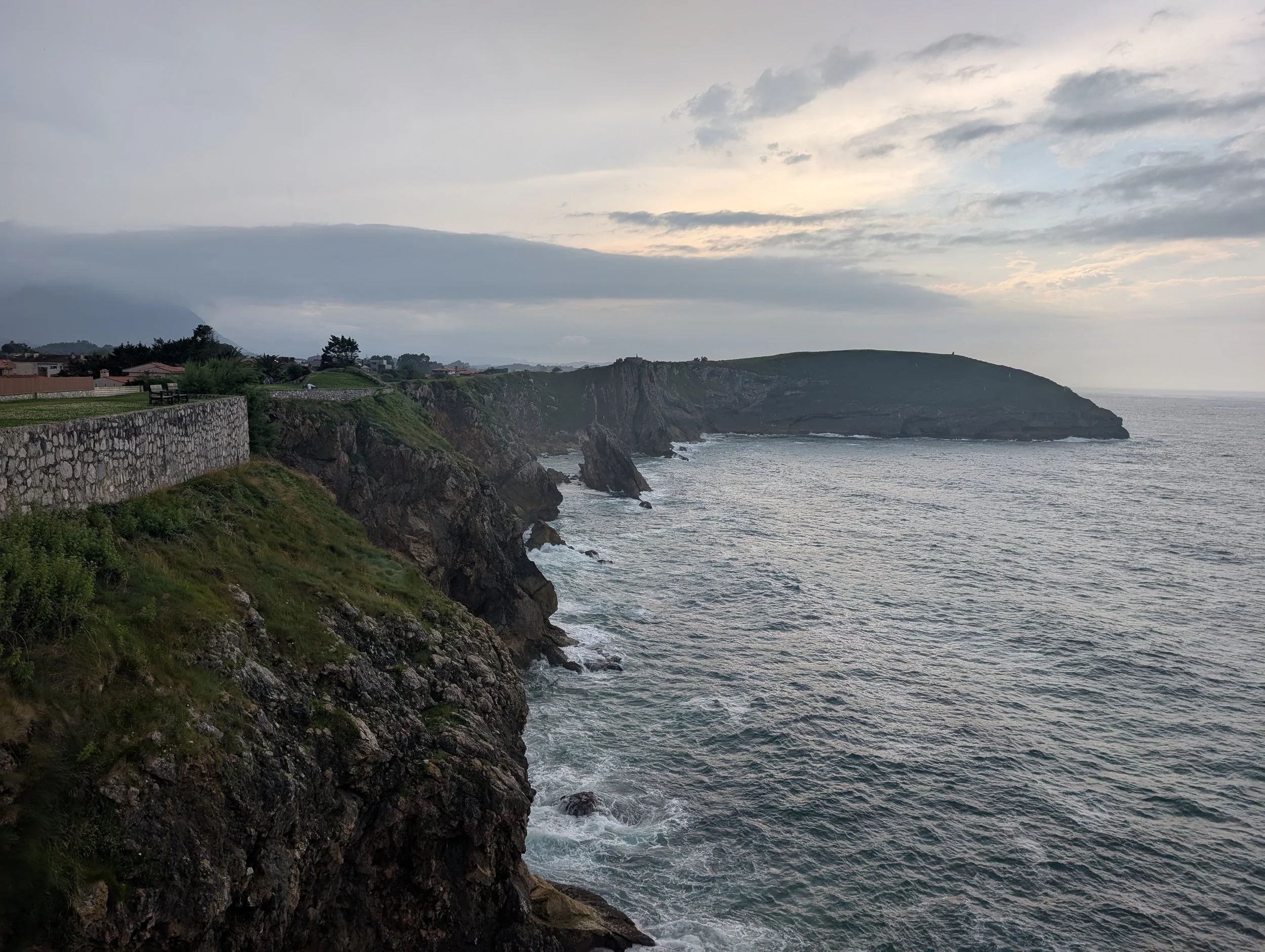
Option 1, all Spain: Asturias.
Take the train from Madrid to Oviedo (about 3.5 hours) and rent a car there (check your Hertz rate). Base yourself in Llanes, a small fishing town with cafés, cliff-top walks, and beaches, about an hour from the Picos de Europa. Walk the coastal paths, take the summer shuttle up to the Covadonga lakes, and spend an evening at a sidrería. Put the $400 Airbnb credit toward Llanes.
Option 2, Spain + France: the Basque coast.
Train (about 5 hours) or a short flight to San Sebastián for two nights. It's busy in July, so hit the pintxos bars early. Then take the local train to Hendaye on the French border and 10 minutes on to Saint-Jean-de-Luz for three nights: small, walkable, quieter than Biarritz, with La Rhune rising right behind it. No car needed. Fly home from Biarritz, and use IHG points for a night in Madrid.
Fun fact: A prompt like this one planned my actual trip to Northern Spain in 2025!
Context makes the magic, just like with a real advisor.
Note/Disclaimer: Don’t give your AI sensitive info like credit card numbers, passwords, etc! :)
Level 2.5: Projects
You'll quickly realize that re-giving context every time is a drag. Enter: Projects.
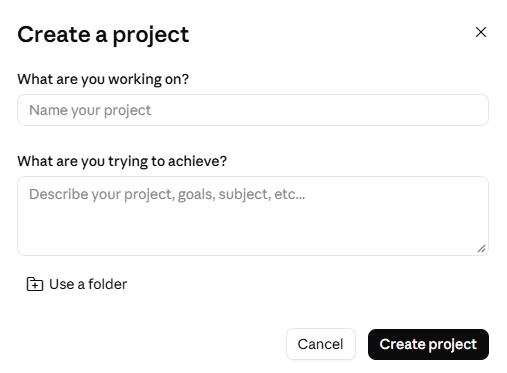
Projects keep all the context on a given topic in “Project Instructions” so you don’t have to re-orient the AI every time.
Your "Financial Advisor" project might have your age, income (you and spouse), kids and ages, balance sheet (investments, cash, etc.), goals, and more. It might house docs like a monthly budget spreadsheet, some old spending logs, your Tiller balance sheet, and anything else that gives the AI context to advise you.
The idea is that you can ‘context dump’ one time, and when you ask quick questions in the future, the AI will use the rich context you’ve provided to give you tailored expert advice.
Once your context is in, you can efficiently ask your Financial Advisor anything at any time:
"Great deal on a Corvette for 30k. Can I afford it?"
"What are the easiest areas to trim my budget to save more for retirement?"
“What are the biggest risks in my portfolio?”
I’ve got projects that help me diagnose health issues, edit these blog posts, and much much more.
Want a head start? I made a free starter kit with copy-and-paste templates for your own Financial Advisor and Travel Advisor projects. Subscribe here and it's yours.
Great. But World-Changing?

Having an expert is great. But is applied personalized information really worth all the hype?
I still wasn't a believer, until I used Claude Code.