Zero to One
I just got back from the gym and I’m laughing at myself. Any serious trainer would crack up at my feeble exercise routine.
"Leg day was squats... and that was it? And all you have here for arms is a few sets of bench and rows. Uh… where's the rest?"
For the last decade, my official fitness routine has been:
Show up (2x/wk max)
20m of cardio and 1-3 hard lifts
Sense my life wasting away, speed-walk out
On a scale of 0 (doing nothing) and 10 (fitness freak), I am doing “1”.
And yet... Despite an insanely full and very stressful decade, 1 has worked.
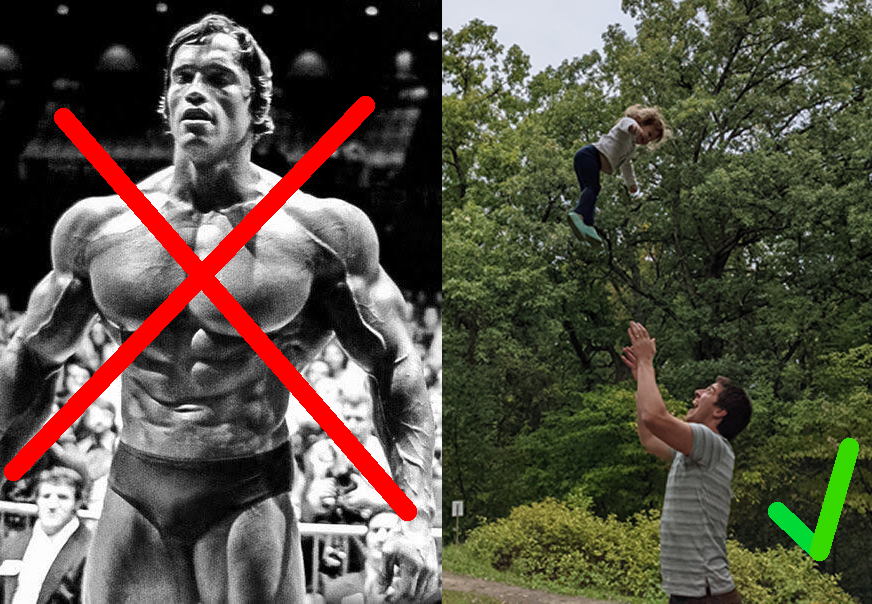
I'm not hitting peak-Arnold status anytime soon, but I've been able to build muscle, feel energetic, and I've so far avoided the big American belly that shows up so easily in mid-life. I can even keep up with my kids.
So what's my big secret? How did I end up with a biological age that's (supposedly) 12 years younger than my real one- despite such a wimpy routine?

Drumroll please... … here it is… get ready…
I do something. Regularly.
Sure. There’s genetics, nutrition, stress, and the other important things. But I credit the better parts of my physical health to simply picking high leverage activities (lifting, cardio) and then doing a tiny bit every week.
With fitness, even people who exercise less than what they should have a 34% lower risk of dying than people who do nothing.
More than Fitness
The principle of going from zero to one applies to far more than fitness. For example:
Money: The woman who never set up the 401k and ended up with nothing vs. the girl who put aside a measly $200/mo from her first job at 18- and ended up with $2.5M at retirement.
Meditation: The stressed guy who spent years dreaming about developing an epic meditation practice vs. the strangely “chill” guy who never bought a yoga mat, but who closed his eyes and took three big deep breaths every day before he opened his laptop.
To the Novice Go the Spoils
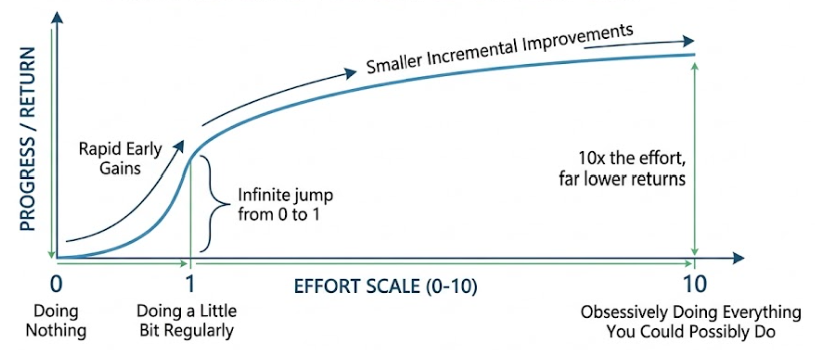
Picture an effort scale of 0-10, where:
0 is doing nothing, 1 is doing something stupidly small regularly, and 10 is obsessively redefining your life around something.
The difference between 1 and 10 is big- 10x! But the difference between 0 and 1 is even bigger. Mathematically, it’s infinite.
Real life reinforces this because progress in anything has diminishing returns.
You Don’t Have to Become a Sicko
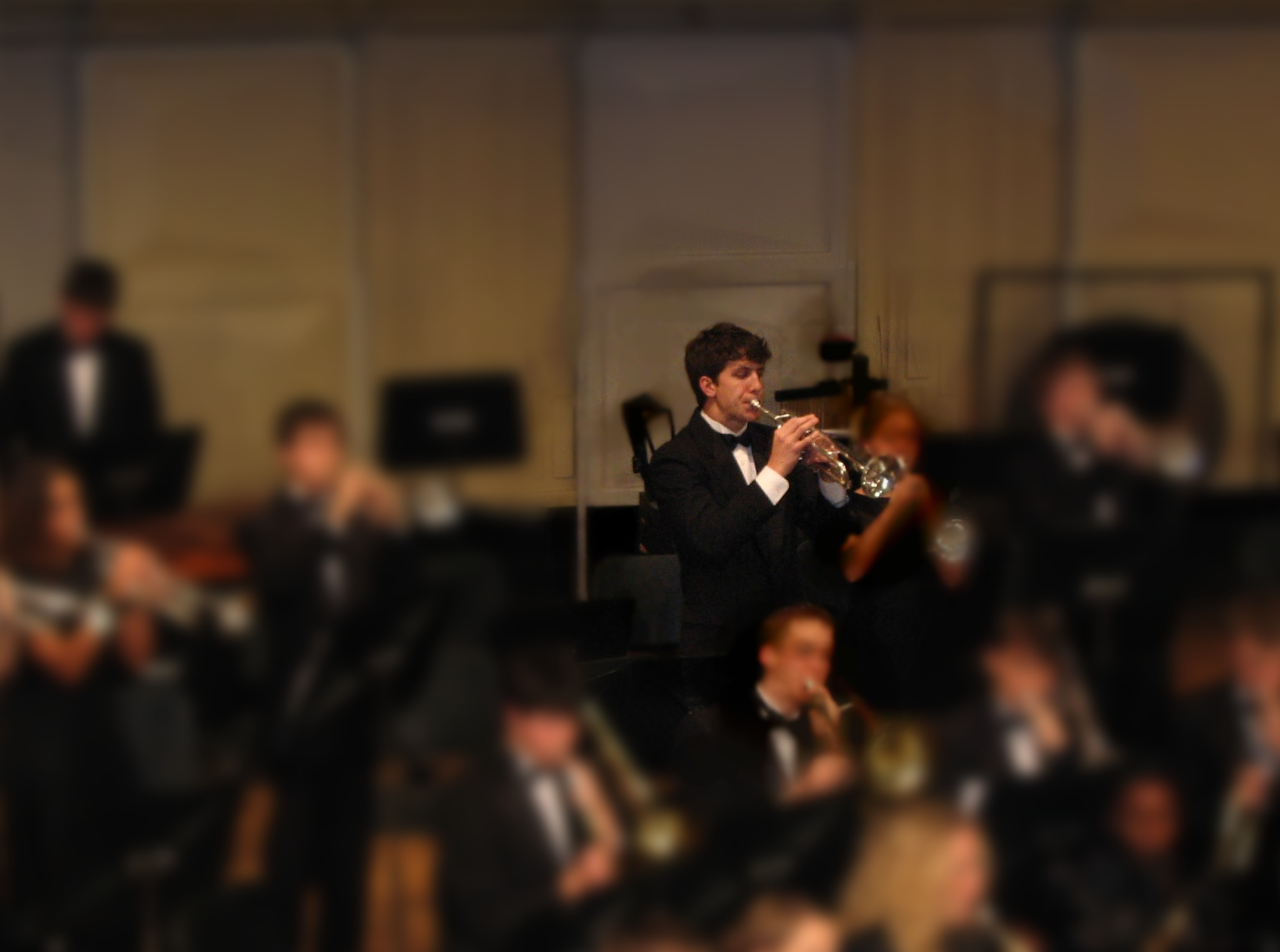
Say you want to play trumpet. Take a few months of lessons and practice weekly. Now you can join a community band, and you're at least better than 90% of people on earth. But to go pro? Trumpet has to take over your life. You'll need to become a kind of sicko trumpet maniac.
The biggest, easiest gains in anything are always jumping from doing nothing to doing the bare minimum.
You can be better than 90% of people at almost anything just by doing something rather than nothing.
Apply It
What area of your life do you need to go from zero to one?
Really. What’s that one aspect of your life that’s a dead zero- where just doing something regularly would make it infinitely better?
Marriage?
Thursday morning coffee break where you ask your spouse 'how are you really doing?’
Money?
1 bank bonus, invested into an index fund
Soul?
A few breaths, a psalm, and a prayer after breakfast
Parenting?
Taking one kid out for a donut Thursday afternoons
Writing?
Opening up your word processor at a coffeeshop for half an hour
Exercise?
15m run and ten pushups
Friendship?
Texting that friend to let them know you thought of them
These examples are so very small. We want to be a ten at everything, and these changes won’t make you world-class at anything.
Take my writing. I don’t want “1”. I want to sit in a silent cabin in the mountains, writing Steinbeck-worthy prose that melts minds like East of Eden. I want “10”.
But here's what I’m slowly learning: a couple hours typing at the coffee shop beats dreaming about a cabin that doesn’t exist.
And that’s why you’re reading these words.
Going from zero to one makes all the difference.
"If a thing is worth doing, it is worth doing badly." — G.K. Chesterton